
Work for a Chinese employer
Purpose: Employment in China.
Typical next step: Employer-led work authorisation, a Z visa where needed, then work-type residence.
See route
Home Visas
Choose the route that matches what you will actually do.
Start with your purpose, then follow the right documents and sequence.
Right route. Right order.
Fewer surprises.
Purpose: Employment in China.
Typical next step: Employer-led work authorisation, a Z visa where needed, then work-type residence.
See route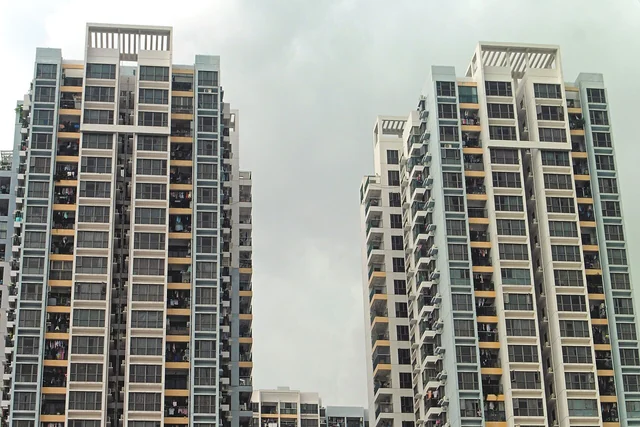
Purpose: Family reunion or visits.
Typical next step: Review Q or S routes for your host, relationship and intended stay.
See route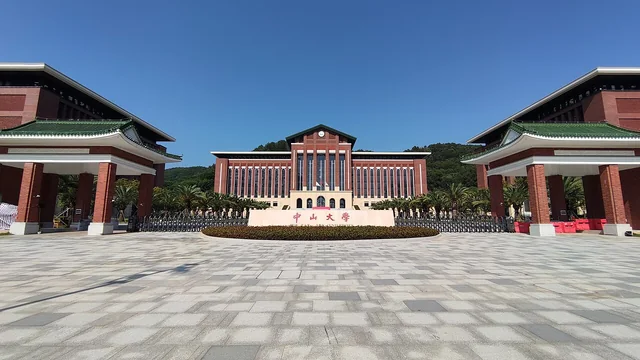
Purpose: Study at a school or university.
Typical next step: X1 for over 180 days or X2 for 180 days or less.
See route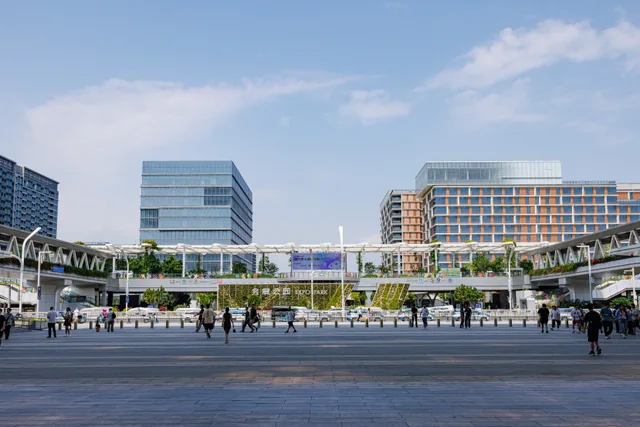
Purpose: Business meetings or trade.
Typical next step: Review the M visa or an applicable exemption.
See route
Purpose: Tourism or a short visit.
Typical next step: Review the L visa or a visa-free route for your passport and itinerary.
See routeThis is a common planning sequence. The exact process, documents and deadlines depend on your nationality, purpose and handling office.
| Visa type | Purpose | Typical stay or route | Residence-permit step | Work permission | Important limit |
|---|---|---|---|---|---|
| Z | Employment | Varies by job and visa | Work-type permit when required | With work authorisation | Employer-led. Check your approved role. |
| S1 | Family of a foreign resident | More than 180 days | Usually private affairs | No ordinary employment | Check which relatives qualify. |
| S2 | Family visits / private affairs | 180 days or less | Usually no permit step | No ordinary employment | Check proof of relationship or purpose. |
| Q1 | Family of a Chinese citizen or permanent resident | Usually over 180 days | Usually family reunion | No ordinary employment | Family reunion or qualifying foster care. |
| Q2 | Visit Chinese or permanent-resident family | 180 days or less | Usually no permit step | No ordinary employment | Short-term family visits. |
| X1 | Long-term study | More than 180 days | Study-type permit | Approved work-study or internships only | Off-campus work needs approval and a permit annotation. |
| X2 | Short-term study | 180 days or less | Usually no permit step | No employment | Follow the approved course and stay. |
| M | Business / trade | As granted on visa | Usually no permit step | No employment | Commercial and trade activities. |
| L / visa-free | Tourism / permitted visits | Depends on visa or scheme | Confirm applicable rules | No ordinary employment | Check limits for your passport and itinerary. |
Visit, family, study and business status alone do not authorise ordinary employment in China.
Authorises work for a specific employer and role under the applicable rules.
Allows entry for an approved purpose. Check the entries, validity and permitted stay.
Allows you to live in China for an approved purpose such as work, study or family.
Each document serves a different purpose. The order depends on your route.
Non-hotel stays generally require registration within 24 hours.
Track the permitted stay or residence expiry date.
Confirm the required work permit and status before starting.
A mismatch with your real purpose can delay or prevent approval.
Prepare documents and book an appointment if required.
Check visa validity, entry dates and permitted stay.
Book your stay and keep the address for registration.
Plan your airport or city transfer.
Set up a mobile payment option for arrival.
Confirm current requirements with the handling office.
Requirements depend on your nationality, passport, purpose and the office handling the case. This is general information, not legal advice or a promise of approval.
A route for qualifying young science and technology professionals, without a domestic employer or inviting entity.
It is not, by itself, permission to take an ordinary salaried job. Confirm qualifications and documents with the handling mission.
For qualifying high-level and urgently needed foreign talent. It is not compulsory for every Category A applicant.
Entry status does not replace the work authorisation required for employment. Ask about the process for your specific case.
A separate status. A foreign permanent resident may work in China without a foreigner’s work permit.
Eligibility is specific and approval is not automatic. Check the official requirements rather than treating it as an alternative for a short visit.
Company registration and permission to work require separate approvals. If you plan to run the company in Shenzhen, check that you qualify for the role and that the company can apply as your employer before signing a lease or paying registration costs.
Review China’s rules on foreign investment and check whether your activity requires a sector licence. Ask Shenzhen’s work-permit office what role and qualifications it will accept for your case. Foreign-investment restrictions · Shenzhen work-permit eligibility
For a foreign-invested limited liability company, prepare the company name, business scope, registered address, articles of association, identification for shareholders and relevant officers, and details of subscribed capital. After registration, arrange tax, banking and employer setup as applicable. Shenzhen company registration guide · Shenzhen business registration portal
For the usual route from overseas, the eligible company first applies for a Notification Letter of Foreigner’s Work Permit. Use the letter to apply for a Z visa through the Chinese mission or visa centre that handles your application. Shenzhen lists the business licence as possible proof of a legal representative’s role. For certain other roles, the company may provide its articles, an appointment letter or an employment contract. Shenzhen guidance on role documents · Official Z visa instructions
Follow Shenzhen’s electronic work-permit process. If your visa requires a residence permit, apply for a work-type residence permit with Shenzhen Exit–Entry within 30 days of entry. If you are already in China, ask the local office whether you qualify to apply in-country before relying on a change of status. Shenzhen residence application guide · LifeShenzhen work permit and Z visa guide
Shenzhen distinguishes passive shareholding from taking a company role. An M visa covers permitted business activities such as meetings. Running the company day to day in Shenzhen requires the applicable work and residence authorization. Shenzhen guidance on passive shareholding
¥0 work-permit administrative fee. The published Shenzhen service is free. Medical checks, translations and private assistance can cost extra.
Residence-permit fee bands. Under 1 year: ¥400; 1 to under 3 years: ¥800; 3–5 years: ¥1,000. Confirm the applicable category and amount with the office.
Some already-registered returns to the same home are exempt from repeat registration under the 2026 guidance. Confirm your case locally; do not assume every Hong Kong day trip requires a new registration.
New work-permit applicants no longer collect a separate physical work-permit card after entry. Existing cards move to the integrated social security card system on extension or alteration.
Moving to Shenzhen · Living in Shenzhen
Hero and document artwork are editorial illustrations.