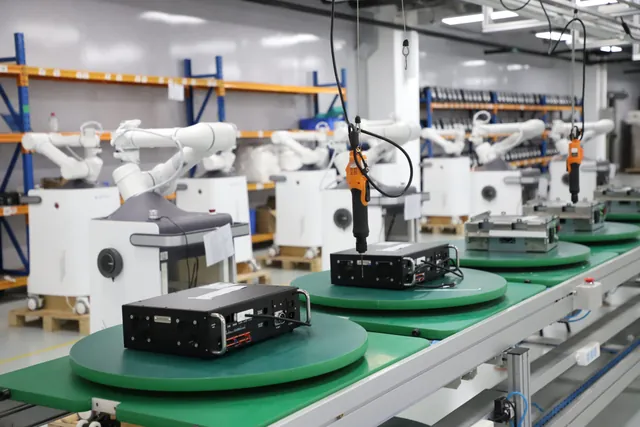
Find a supplier
Identify manufacturers for your product category.
- First step: Define the product and requirements.
- Evidence: Company profile, licence and similar products.
Find the right industrial area, prepare the visit and verify the supplier before you commit.
Explore Shenzhen, Dongguan and Huizhou. Start with your product category, legal entity, production stage and real evidence — not just a salesperson’s location pin.
Right factory. Right evidence. Fewer surprises.
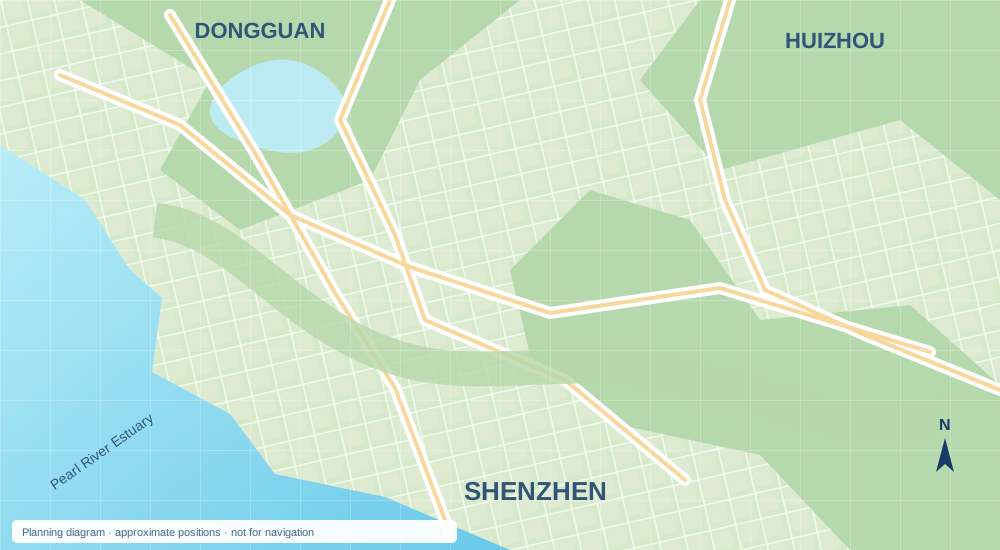
Select an area to see its role and open the guide. Pins are area references, not factory gates.
Street map loads when available. The planning diagram and text list work offline.
Choose a route, then prepare the right questions and evidence.
Identify manufacturers for your product category.
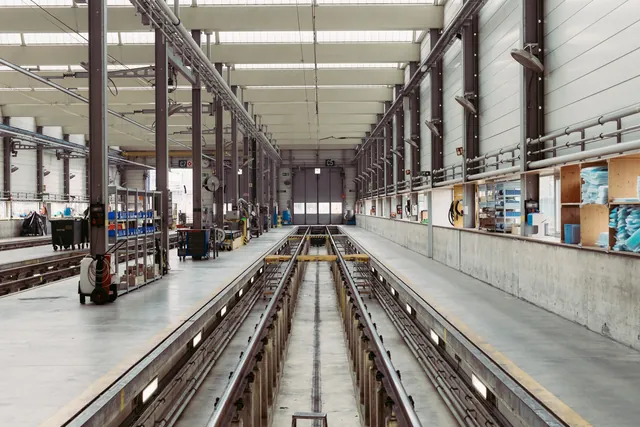
Prepare a focused appointment at a confirmed site.
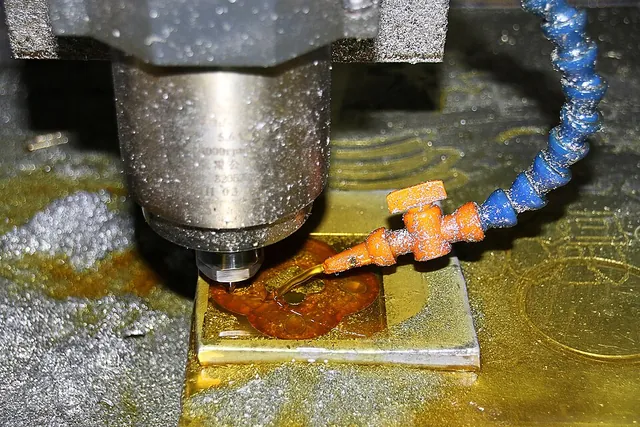
Check sample quality and scope before production.
Review milestones against the agreed order.
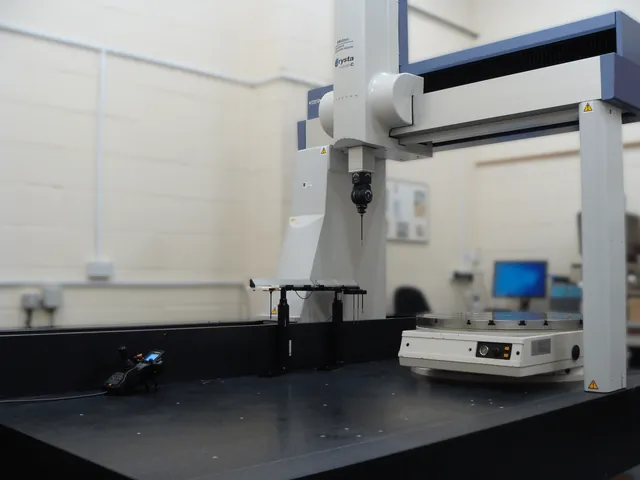
Arrange an in-person or independent inspection.
Check the company behind a quotation or invoice.
Turn the idea into a clear development brief.
Plan interpreting, transport and local assistance.
Representative manufacturing images. See image credits.
Choose the city, product and stage. Build a practical starting plan for your confirmed appointment.
Compare research areas in Shenzhen, Dongguan and Huizhou. Trade and logistics locations are labelled separately.
13 area references across three cities
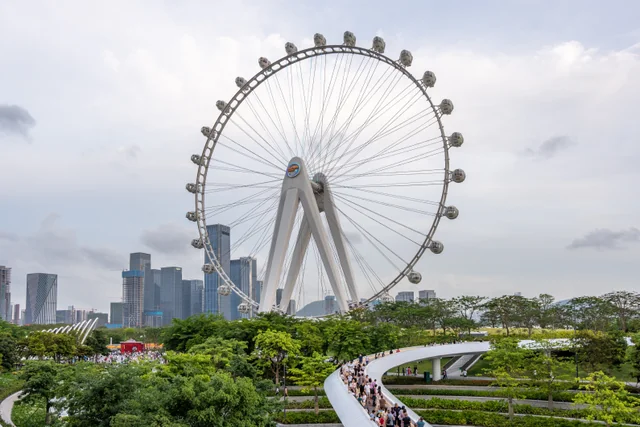 Shenzhen · Manufacturing
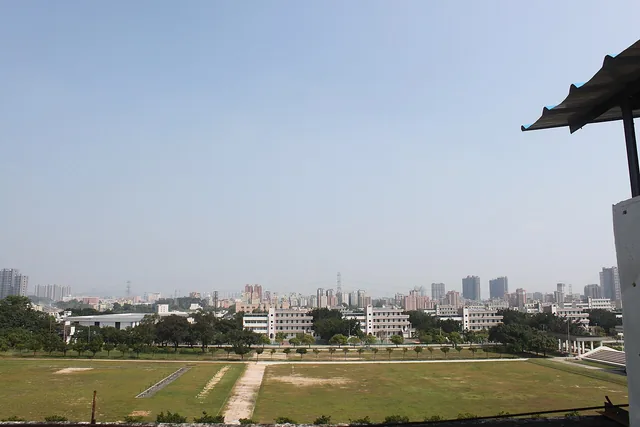 Shenzhen · Manufacturing
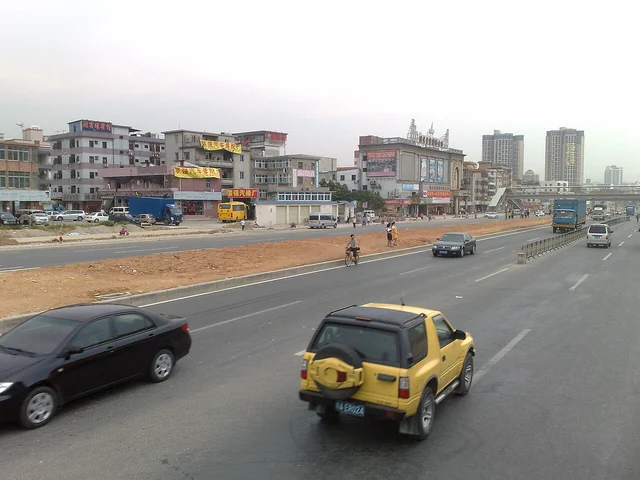 Shenzhen · Manufacturing
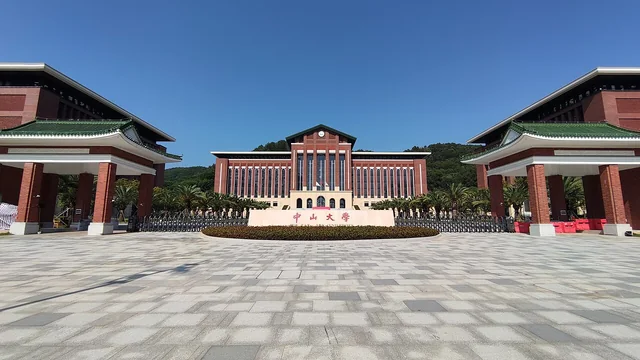 Shenzhen · Manufacturing
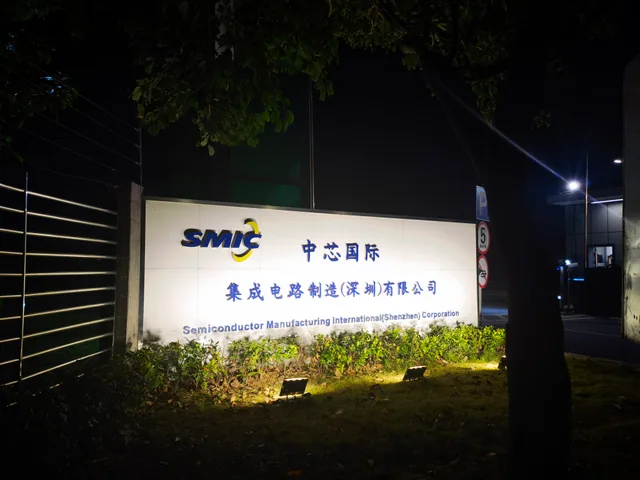 Shenzhen · Manufacturing
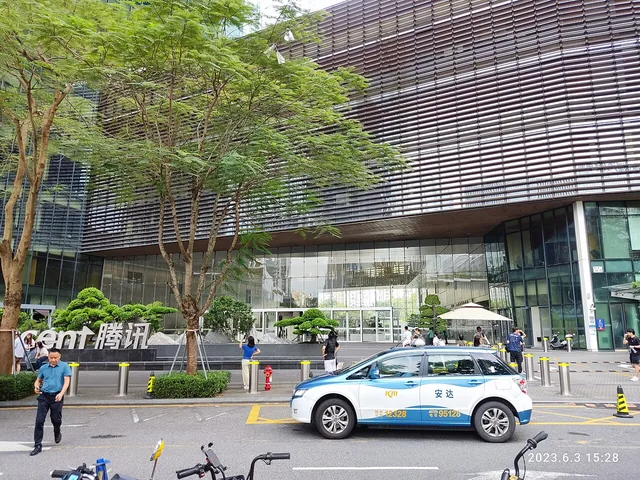 Shenzhen · R&D & industry
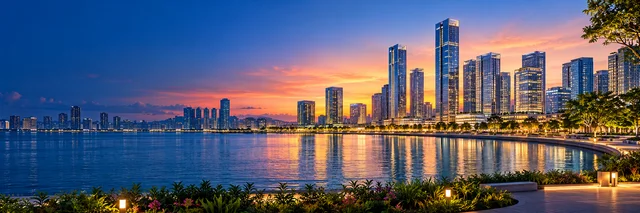 Shenzhen · Trade & services
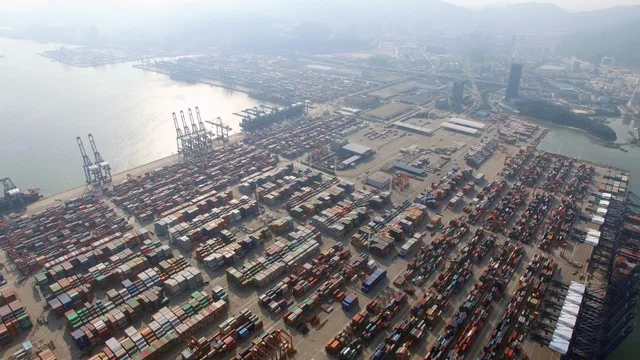 Shenzhen · Port & logisticsDongguan · ManufacturingDongguan · ManufacturingDongguan · R&D & manufacturingHuizhou · ManufacturingHuizhou · Manufacturing
Ten named companies with published location evidence. These are research references, not supplier approvals or open factory tours.
比亚迪
Shenzhen · Pingshan District, Maluan subdistrict
Production-site evidence →迈瑞医疗
Shenzhen · Guangming manufacturing centre
Production-site evidence →富士康/鸿海
Shenzhen · Longhua factory-area context
Production-site evidence →欣旺达
Shenzhen · Bao’an / Guangming production-network context
Production-site evidence →华为
Dongguan · Songshan Lake, south-zone manufacturing plant
Production-site evidence →OPPO/欧珀
Dongguan · Chang’an; exact production entrance to confirm
Production-site evidence →维沃
Dongguan · Chang’an / Binhai Bay manufacturing centre
Production-site evidence →TCL华星
Huizhou · module / whole-machine manufacturing base
Production-site evidence →亿纬锂能
Huizhou · Zhongkai / Xikeng production-base context
Production-site evidence →德赛西威
Huizhou · Huinan Industrial Park
Production-site evidence →Open the detailed profiles, supplier checks and your editable local visit brief.
Filter by city and industry. These are area profiles, not a directory of inspected or approved factories.
10 area profiles across three cities
Try a broader product term or another industry. An absent profile does not establish that a product is unavailable.
Start close to your working base
A broad manufacturing research base for electronics and smart terminals, equipment and robotics. The district also identifies advanced medical instruments among its industrial priorities.
Ask which production process takes place at the proposed site. Confirm the subdistrict, industrial park, building and visitor gate; a Bao’an office address alone is not a factory location.
Research electronic information and intelligent manufacturing in the district’s industrial blocks. Dalang’s fashion industry is a separate lead from Guanlan’s manufacturing parks; choose the relevant process first.
Get the actual production address as well as the sales-office address. Arrange access to the relevant line or workshop, rather than assuming that a design studio or industrial-park reception is the factory.
Henggang and Yuanshan are specific starting points for eyewear research. Longgang’s official profile describes a supply chain covering design, mould development, components, finished glasses and inspection.
Ask whether your contact makes frames, components, lenses or finished products, and which steps are subcontracted. Confirm the workshop location and the applicable product specifications before a visit.
The district identifies display technologies, sensors, advanced materials and high-end medical devices among its industrial clusters. Separate a research-campus meeting from a production-site visit.
Confirm whether the appointment is at an R&D office, pilot facility or manufacturing plant. Ask which processes can be observed and what visitor registration, protective clothing and photography rules apply.
A starting point for new-energy and vehicle supply chains, semiconductors, intelligent terminals and medical devices. The district’s profile distinguishes these related industrial clusters.
Specify the component, process and intended application before requesting a meeting. For regulated products, establish the required market approvals with a qualified specialist; a district’s industry profile is not product approval.
Choose the town, then the factory
Chang’an’s government identifies electronic information and mechanical hardware and moulds as established industrial pillars. Use it as a lead for researching components and tooling, rather than treating all of Dongguan as one stop.
Include “Dongguan, Chang’an” in the Chinese destination and confirm the park and gate. Agree the material, tolerances, drawing version and tooling ownership questions before meeting a potential manufacturer.
Humen is a lead for clothing and textile-related manufacturing research. An official 2026 overview describes activities from fabric development and garment production to branding, trade and logistics.
Confirm whether you are meeting a garment manufacturer, fabric supplier, brand office or wholesale trader. Ask where cutting, sewing and finishing occur, then arrange the visit to the relevant site.
The zone’s official profile covers communications and smart terminals, robotics and intelligent equipment, medical devices, new materials and energy technologies. Identify the relevant activity before choosing a meeting address.
Confirm whether the appointment is with a headquarters, R&D team, systems integrator or production facility. Ask whether the actual factory is elsewhere and plan that separate address before booking transport.
Give an eastern visit its own plan
Huizhou’s industrial bureau identifies smart terminals, ultra-high-definition displays, smart energy, artificial intelligence, and laser and additive manufacturing among Zhongkai’s industrial directions.
Use the named industrial park and full Chinese production address. Do not route simply to “Huizhou”; confirm the arrival station or road approach and the onward pickup with your host.
The Huiyang (Xiangling) Smart Technology Industrial Park is a specific lead for smart-home and intelligent-terminal research. Huizhou’s industrial bureau locates its planned area around Xiangling–Yangna and Qiuchang.
Ask for the company’s occupied building and operating site, rather than a development-site address. Keep Huiyang, Zhongkai and Daya Bay destinations distinct when arranging meetings or transport.
“Locate the area” opens a Chinese area search on Amap. It is an orientation aid, not the address or entrance of an individual factory.
Meet 10 representative manufacturers across Shenzhen and nearby cities. Each profile identifies the published location and site type, with official references to check before contacting the company.
A Shenzhen government planning notice identifies BYD’s Shenzhen car-production base in Pingshan’s Maluan subdistrict. This is a production-location reference, not an invitation to enter a plant.
The 6 December 2024 municipal planning notice identifies the Pingshan production-base area. It does not establish current operations at a particular building, public access or an agreed factory appointment.
Ask the relevant BYD business unit to confirm the actual production site, appointment and entrance. The planning reference around BYD Road and Longping Road is not a confirmed visitor gate.
Mindray’s official ESG material identifies its Guangming Manufacturing Center and diagnostic-instrument production. Its separate environmental notice also describes the Guangming production base.
Official company reporting identifies Guangming manufacturing activity; the environmental notice names the production base. Neither source establishes public tours, a visitor gate or product-market approval for a reader’s project.
Confirm which product line, building and technical team the meeting concerns. Request the actual visitor entrance and access requirements; manufacturing facilities are not general public attractions.
Longhua’s official industrial-layout profile describes the Foxconn Block around the Foxconn factory and surrounding industrial parks. This supports a specific Shenzhen manufacturing-area reference.
The district profile, dated 19 March 2023, identifies the factory and surrounding industrial block. Individual operations, campus entrances and visitor arrangements must be confirmed separately.
Identify the legal entity and relevant campus before arranging a meeting. Ask the company for the exact factory entrance and appointment; a nearby park, recruitment office or general map pin is not proof of access.
Sunwoda’s official materials describe R&D and production bases in Shenzhen and Huizhou. Its published production-network material includes Bao’an and Guangming locations in Shenzhen.
Official company materials and the published ESG production map support Shenzhen production-network context. The exact plant, current activities and visitor gate are not verified here; headquarters contact details are kept distinct.
Ask which battery business, legal entity and production base are relevant to the proposed meeting. The published Bao’an headquarters contact address is not a verified visitor entrance for every factory.
Huawei’s official facilities material identifies a south-zone manufacturing plant at Songshan Lake. Its published manufacturing case study also discusses the Dongguan factory; this is distinct from the European-style research campus.
Official company material explicitly identifies the Songshan Lake manufacturing plant. It does not establish present visitor access, an appointment or capacity for a reader’s order.
Ask for the manufacturing-site appointment and exact entrance. Do not navigate to the Ox Horn research campus assuming it is the production site. Factory access must be arranged with the host.
OPPO’s official sustainability reporting describes production facilities in Dongguan. Chang’an is the area to use when confirming the relevant company site; a registered manufacturer address is not necessarily the visitor gate.
The official 2024 report, published in 2025, describes Dongguan production facilities. This card does not present an office or manufacturer contact address as a confirmed factory entrance.
Identify the relevant production facility and obtain the Chinese entrance address from the host. Confirm whether the meeting is at an office, showroom or production site and arrange access before travelling.
vivo’s official July 2020 announcement describes its new manufacturing centre in Dongguan’s Chang’an / Binhai Bay area. The dated announcement supports manufacturing-location context, rather than current public access.
The company announcement dated 15 July 2020 identifies the manufacturing centre. Present access, plant arrangements and a visitor appointment require separate confirmation.
Ask the host for the relevant manufacturing site, building and gate. Confirm a business appointment and the production activities that can be shown; do not use a general headquarters pin as the entrance.
TCL CSOT lists a Huizhou module and whole-machine integrated intelligent-manufacturing base. This Huizhou operation should be distinguished from the group’s Shenzhen panel-production facilities.
The official production-base listing identifies the Huizhou module / whole-machine base. A particular visitor gate, tour or manufacturing offer has not been established.
Specify whether the meeting concerns panels, modules or complete-machine assembly. Confirm the company entity and Huizhou factory entrance instead of using a generic TCL or Shenzhen plant address.
EVE Energy’s official company history identifies Huizhou Xikeng and Zhongkai production-base development. Use the actual battery business and production location when researching a potential meeting.
Official company history supports production-base context in Huizhou. No current production capacity, product approval, visitor access or exact factory gate is implied.
Ask which Huizhou plant and business unit are relevant. The company’s headquarters contact address is not the gate of every production base; obtain the exact site and agree access directly.
Desay SV’s July 2022 company update states that phase one of its Huinan Industrial Park entered production in 2021. It describes phase two as construction at that time, so completion is not assumed here.
The official 5 July 2022 update supports phase-one production at Huinan Industrial Park from 2021. This card does not infer completion of later phases or present access arrangements.
Confirm the current operating site and visitor entrance with the relevant company team. Distinguish a published investor contact address from an agreed production-floor appointment.
Company and location references reviewed 2026-11-02. These are company profiles, not a ranking, a supplier approval or an invitation to enter a factory. Arrange access through the company’s official channel and confirm the relevant production site.
Prepare a useful first conversation.
The brief stays on this page unless you choose to save it on this device or download it. Nothing here is sent to a supplier.
Treat the legal entity, the production site and the product capability as three separate checks.
Ask for the Chinese registered name and unified social credit code. Search the official company register and compare the entity with the proposed quotation and agreement.
Open the official company registerThe register may require Chinese input or an interactive verification step. A registration record establishes identity; it does not certify product quality or commercial reliability.
Ask whether the business makes the product itself, uses subcontractors or acts as a trading company. Establish where the relevant process takes place and which operations are outsourced.
A trading company can be useful. The important point is to understand who is responsible for the work and which site your visit will cover.
Discuss the specific materials, tolerances, equipment, process controls and inspection records for your product. Use the issuer’s current certificate lookup and match the holder, site, scope, model and dates it actually covers.
Evaluate a sample against written criteria. A showroom, company registration or broad industry label does not establish manufacturing capability.
Clarify specifications, sample acceptance, tooling ownership, approved changes, delivery and inspection arrangements, and how problems will be handled.
Keep quotations and visit records tied to the named legal entity and agreed product. Obtain specialist advice for contracts, IP or regulated products when your project needs it.
Factory visits are arranged business appointments. Confirm access before travelling.
Request the Chinese production address, building or unit, entrance pin, reception contact and a way to reach that person on arrival. Check whether the office and factory are separate sites.
Check the station or stop against the production site, then arrange the last leg. Confirm pickup, parking, luggage and your return connection; an intercity station is not the factory entrance.
Confirm the working language, visitors’ names, ID requirements, PPE, accessible entry, photography rules and any confidentiality process in advance. Ask who can answer the technical questions.
Have offline copies of the appointment, address, drawings, sample requirements and questions. Keep time after the visit to write down what was observed, what remains uncertain and the next step.
A wholesale or component-market visit can help you research products and contacts. It does not by itself show who manufactured an item or where production takes place. Ask for the actual supplier entity and production address before planning a factory visit.
Arrange the appointment directly with the business. Production schedules, access controls, confidentiality and visitor safety can affect whether a visit is possible and what you can see.
No. These profiles describe official industrial-area context. They do not verify individual suppliers, current capacity, certifications, order terms or access to a particular factory.
Group visits by the actual sites and the time needed on the production floor. Confirm one useful appointment first, then check the final road journeys and return connection before adding another.
Define the product, confirm the supplier and production site, agree the appointment, inspect the relevant process and record the next steps.
Area references reviewed 2026-11-02. Sources describe industrial policy, clusters or economic context; they do not establish that a specific supplier is suitable or currently accepting visitors.
District industrial positioning, not a list of open factories or current production capacity.
A dated industrial-layout reference. Current occupants, manufacturing activities and appointments must be checked separately.
This card covers the eyewear cluster, not every industry or factory in Longgang. No output-share or travel-time claims are reused.
Cluster priorities establish an area to investigate; they do not establish that a specific supplier is qualified for a regulated product.
Current district profile read on the review date. No access to an individual automotive, semiconductor or medical facility is implied.
The source reports earlier industrial structure. No historic output figure, supplier count, price or present capacity is presented as current.
The cluster includes manufacturing and trading activities. A wholesale showroom or clothing market does not establish an in-house factory.
The area combines research, business and manufacturing functions. Industrial positioning is not evidence of individual supplier capability.
This is Zhongkai, not the whole of Huizhou. Energy-sector positioning does not mean every site produces vehicle parts or batteries.
Official starting point for enterprise registration and regulatory lookup services, including the National Enterprise Credit Information Publicity System.
Search the exact Chinese legal name or Unified Social Credit Code. Access may require manual verification or registration; no supplier record was checked for this guide.
Official explanation of registered, authenticated access. A registry entry is an identity check and does not establish factory capability or order quality.
Use the appropriate official service for the certificate type. Confirm the current issuer lookup and the scope rather than relying on a logo or screenshot.
CQC explains that certificates issued under its own rules are checked on CQC’s website; certificates under CNCA-defined rules remain queryable through the applicable national platform as well as CQC.
Area profiles link to their supporting references. Industrial specialisms overlap and evolve. Confirm the individual company, site and process for your project.
Manufacturing photographs are representative illustrations, not evidence of the facilities or capabilities of the named companies. Area photographs show their stated locations and may be archival.
The fallback map is a schematic planning diagram; its lines are decorative, not roads or administrative boundaries. Area pins indicate rounded research locations, never individual factory entrances. Street map © OpenStreetMap contributors.
Plan a safer and more successful factory visit in Shenzhen, Dongguan and Huizhou.